Why Dry Powder Fire Suppression Systems Fail?
Posted by admin | 24 February, 2026
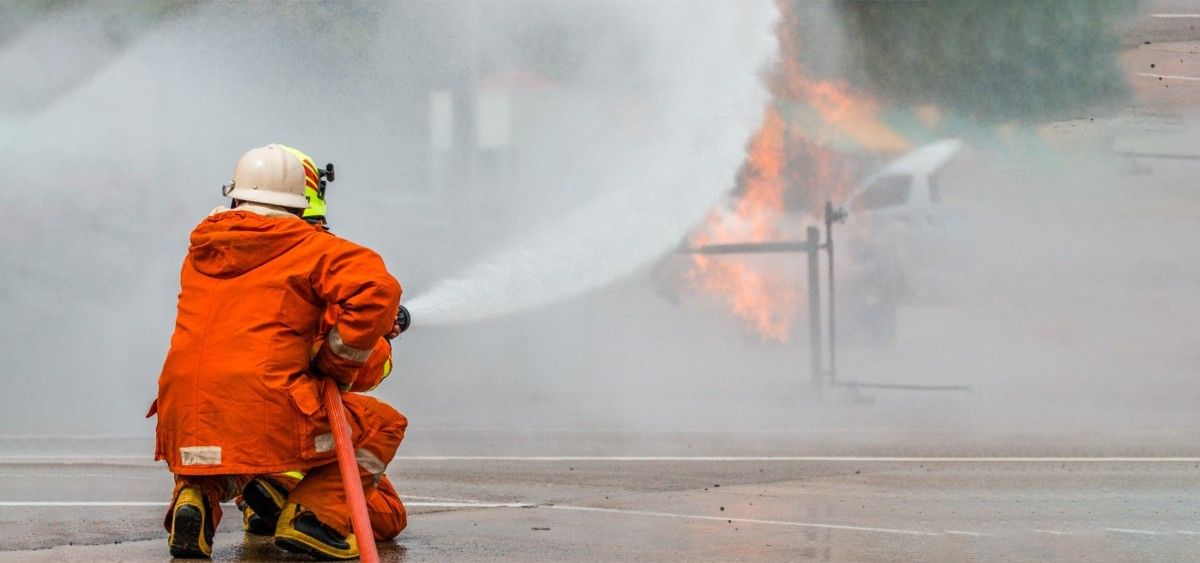
Dry Powder Fire Suppression Systems
Dry Powder Fire Suppression Systems are widely used in different sectors because of their quick response, flexibility, and effectiveness in dealing with multi-layered fires. These systems are usually installed in high-risk areas such as electrical rooms, fuel handling areas, and industrial facilities, where rapid fire knockdown capability is a major consideration.
Despite being installed correctly, it has been observed that fire suppression systems often do not function as expected in actual fire events. This is quite puzzling, especially when the system is new or well-maintained. The truth is, it is rare that is at fault.
In this blog, we will discuss the reasons why fire suppression systems fail to function as expected in actual fire events, even when they are present and functioning. We will examine the issues of design, discharge, maintenance, and scenarios where dry powder is simply not the best choice.
What is a Dry Powder Fire Suppression System?
A dry powder fire suppression system generally uses finely divided chemical powder to interrupt the fire process. It is meant to put out the fires before they spread fully.
How Dry Powder Fire Suppression Works
The dry powder primarily functions by interrupting the chemical chain reaction of fire. As the powder is released into the fire, it disrupts the burning process and prevents the fire from renewing itself.
However, it is worth noting that the dry powder fire extinguisher is designed for rapid knockdown rather than extended fire protection. Even though the fire has been knocked down quickly, the source of heat may still be present, thus raising the possibility of re-ignition.
Kinds of Used for Fire Protection
There are various kinds of used based on the intended application:
- ABC dry powder is designed for Class A, B, and C fires
- BC dry powder, which is mainly used for flammable liquids and gases
- Special application powders, which are designed for special applications.
Why Dry Powder Fire Suppression Systems Fail
- Incorrect System Design
Many failures begin at the design stage. Common issues include:
- Coverage areas that are underestimated
- Incorrect discharge velocity
- Poor nozzle placement
If the powder does not reach the fire properly or disperse evenly, suppression will be incomplete.
- Poor Application Suitability
Is not suitable for every environment. The systems are installed without regard to:
- Open or windy areas
- High ventilation rates
- Fire class mismatch
The powder could disperse away from the fire before it has a chance to work effectively.
- Inadequate Quantity of Dry Powder
Another major reason for failure is an insufficient quantity of powder. This happens due to:
- Incorrect design calculations
- Powder loss during discharge
- Uneven distribution density
When there is not enough powder to fully extinguish the fire, the re-ignition becomes highly likely and possible.
Common Dry Powder System Design Mistakes
- Incorrect Nozzle Positioning
Inaccurate positioning of the nozzles can cause the powder to settle instead of being suspended. This results in:
- Shadow areas
- Areas of limited or no coverage
Due to this, areas of the fire are left unaffected.
- Overlooking obstructions and geometry
Complex designs, equipment, and geometry can obstruct the powder path. This is because the designer overlooks:
- Equipment obstructions
- Unusual room geometry
- Multiple elevation levels
This results in irregular coverage.
- Delayed or Manual Activation
Systems that are manually activated are susceptible to human delay. This is because, without proper integration with fire detection systems, valuable seconds are lost, allowing the fire to grow beyond control.
Maintenance Issues that Cause Dry Powder Failure
- Powder Caking and Compaction
Absorbs moisture, which causes caking and compaction. Long periods of inactivity and lack of testing contribute to this problem. Compacted powder does not discharge well in an emergency.
- Corrosion and Blocked Piping
Corrosion within pipes and fittings can impede or totally shut off powder flow. This problem is often concealed and not discovered until system activation.
- Lack of Regular Inspection and Testing
Systems are often inspected visually. Without functional testing, problems such as blocked lines and old powder go unseen, giving a false sense of security.
Limitations of Dry Powder Fire Suppression
- Visibility and Breathing Hazards
Generally, during discharge, it creates dense clouds that reduce visibility. This can cause restriction and can also cause breathing issues.
- Damage to the equipment and machinery
Residue is abrasive and is difficult to clean. Even a small fire can cause serious damage to sensitive equipment and take a long time to fix.
- Inadequate prevention of re-ignition
Does not cool the fuel or surface. After the powder has settled, the fire may re-flash due to heat, particularly in fuel fires.
When Dry Powder is the Wrong Choice for Fire Suppression Choice
- Indoor and Enclosed Areas
In enclosed spaces, visibility loss and breathing issues can overpower the benefits of dry powder suppression.
- Sensitive Electrical or Electronic Equipment
Dry powder residue can permanently damage the electronic systems, making it unsuitable for data centres or control rooms.
- Areas Requiring Minimal Cleanup
Facilities that cannot afford long cleanup times should consider alternative suppression systems.
Choosing the Right Approach for Dry Powder Fire Suppression
Most failures in dry-powder fire suppression systems are not equipment-related. They mostly occur as a result of design errors or improper use and maintenance. Dry powder fire suppression systems can be very effective if they are properly selected for the risk, designed, and maintained.
It is as important to know where dry powder fire suppression systems are not effective as it is to know their strengths.
This is why experienced fire protection specialists like Integrated Fire focus on correct system design and practical application, not just installation.
When used in the right environment and engineered properly, dry powder remains a reliable fire suppression solution. However, it should never be treated as a one-size-fits-all approach.
LinkedIn Profile: https://www.linkedin.com/company/integrated-fire-protection-pvt-ltd/
Wet chemical page: https://integratedfire.net/products/wet-chemical/