Bladder Tank Structure and Working Mechanism Explained
Posted by admin | 06 November, 2025
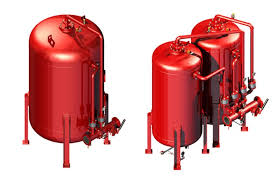
Generally bladder tank is a specialized container that is designed to store liquids while maintaining consistent and internal pressure. They operate based on a simple and yet effective mechanism that involves a flexible membrane and a surrounding air or gas chamber. In this blog we will be giving a detailed guide about how actually a bladder tank works, so let us get started!
Structure of a Bladder Tank
Primarily a bladder tank is made up of three major components:
- Outer shell which is a rigid or flexible steel, rubber or reinforced polymer is believed to give structural strength.
- Bladder that works to expand and shrink depending on the amount of liquid
- Air or Gas Chamber, which is the region around the bladder, is typically filled with air or gas which in turn pressurizes inside the tank
Working Mechanism of a Bladder Tank
Filling Process
- When liquid flows into the bladder tank, it enters it thus it expands.
- As the bladder expands, it pushes against the surrounding air or gas chamber that increases the internal pressure.
- This pressurizing force continues until the tank fills to full capacity or to the set pressure limit.
Maintaining Pressure
- The compressed air or gas provides a force against the liquid that helps in maintaining pressure inside the tank.
- This pressure keeps the liquid consistent with no changes, thus making it easily accessible for use.
Discharge Process
- When the outlet valve is opened, this pressurized air or gas exerts force on the bladder, thereby pushing the liquid out of the discharge line.
- The bladder contracts as the liquid exits, allowing the air or gas to expand and maintain consistent pressure until the bladder is empty.
Refilling and Pressure Adjustment
- Once the liquid level decreases, the air or gas pressure reduces automatically.
- Thebladder tank then can be refilled and this is how the cycle repeats which helps in maintaining a steady pressure throughout the operation.
Key Considerations to Look in a Bladder Tank
- Severe temperatures may impact the material of the bladder, leading to hardening, cracking or loss of flexibility. Keep an eye on temperature conditions to avoid premature wear.
- Make sure the bladder material is compatible with the particular liquid being stored to avoid chemical reactions, degradation, or contaminations.
- Fit a pressure-relief valve to overcome problems such as over pressurization, because if not regulated it could damage the bladder and make it unsafe.
- Undergo a routine inspection of the bladder and its outer shell so that any signs of leaks, wear or damage can be detected at the earliest.
Choose Integrated Fire for your Bladder Tank Solutions – Call us today!
A bladder tank is more than just a storage solution – it is generally a vital asset that ensures reliable, consistent and controlled liquid management in various applications. By understanding its structure and working mechanism, you can maximize its efficiency and prevent costly breakdowns. If you also want premium-quality bladder tanks designed to withstand extreme conditions and deliver optimal performance, contact Integrated Fire today to get the best results.