AFFF in Dubai | Certified & Future-Ready Firefighting Foam
Posted by admin | 13 November, 2025
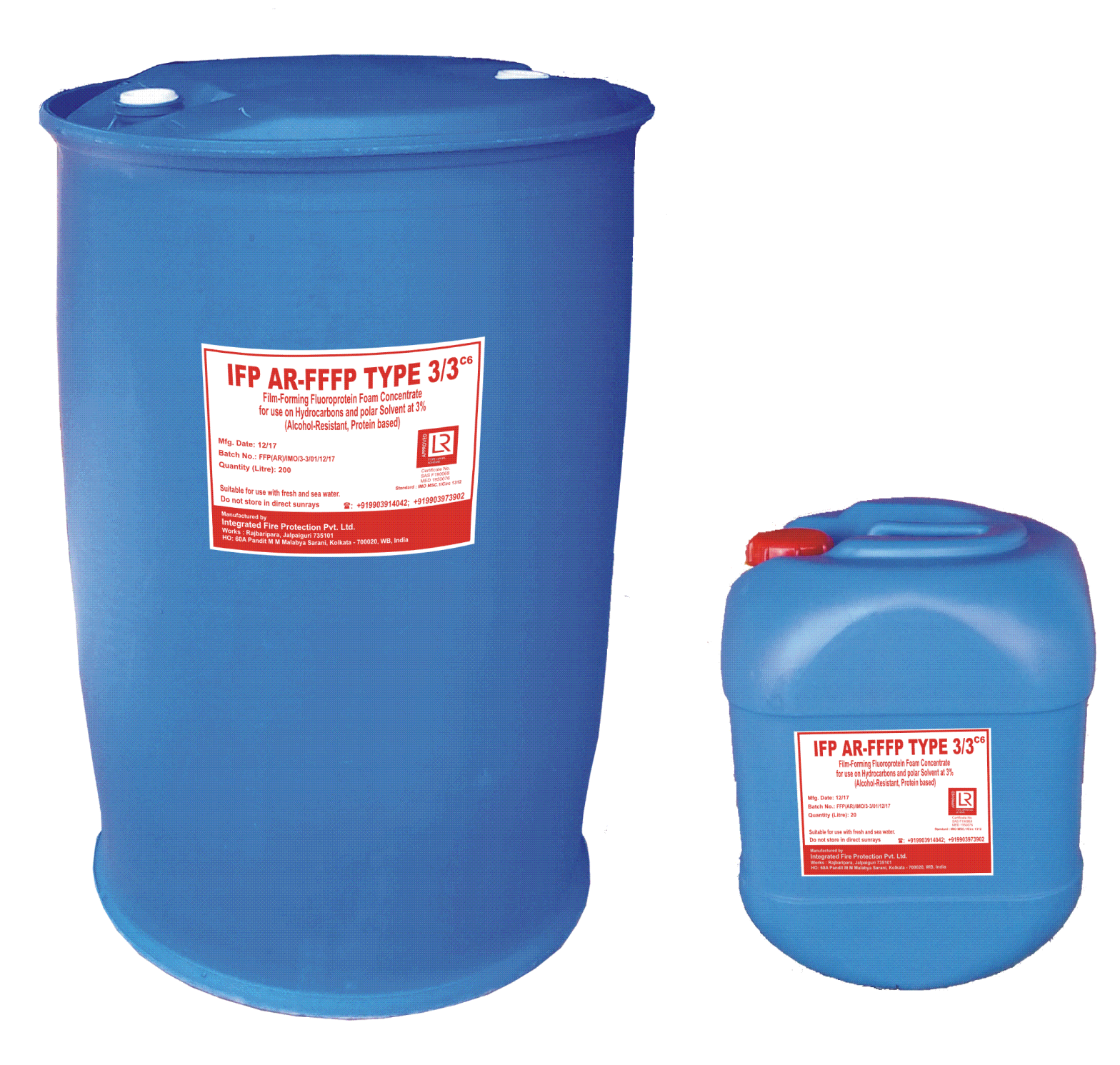
AFFF in Dubai: Certified Safety Today, Sustainable Solutions for Tomorrow
In Dubai’s fast-growing industrial, aviation, and oil sectors, fire protection is both a necessity and a compliance challenge. Foam technology, particularly AFFF in Dubai, remains one of the most trusted tools for suppressing high-risk hydrocarbon fires. With over 40 years of expertise, Integrated Fire Protection (IFP) leads the region in delivering both certified C6-based AFFF and advanced fluorine-free (F3) foam systems. This guide explains what AFFF is, how it’s evolving in Dubai, and how IFP supports clients through performance, compliance, and environmental transitions.
-
Introduction
-
Challenges of fire safety in Dubai
-
Role of IFP and overview of AFFF in Dubai
-
-
What Is AFFF?
-
Simple definition
-
C6 fluorosurfactant technology explained
-
-
Why AFFF in Dubai Is Still Critical (and Changing)
-
Rapid knockdown advantages
-
DCD regulations and current legal status
-
Global PFAS restrictions and the shift toward F3
-
-
Core Types of Firefighting Foam for Dubai Hazards
-
AFFF
-
AR-AFFF
-
Protein Foam
-
Fluorine-Free Foam (F3)
-
-
How to Choose the Right Foam for Your Facility
-
Hazard classification (Class B vs polar solvents)
-
System type (fixed, portable, low/medium expansion)
-
Environmental factors
-
Certification and DCD compliance
-
IFP’s expert consultation
-
-
The IFP Foam Portfolio Comparison
-
IFP UNILIGHT AFFF
-
IFP UNILIGHT AR-AFFF
-
IFP Protein Foam
-
IFP THERMAL FOAM (F3)
-
-
FAQs About AFFF in Dubai
-
Is C8 AFFF banned?
-
Can AFFF still be used for aviation?
-
Is F3 mandatory?
-
Shelf life
-
Mixing foam types
-
Certifications
-
Transitioning to F3 safely
-
-
Call to Action: Partner with IFP
-
Certified foam solutions
-
Support for AFFF and F3 transitions
-
DCD compliance readiness
-
What Is AFFF?
Aqueous Film Forming Foam (AFFF) is a water-based firefighting agent formulated to rapidly extinguish Class B (flammable liquid) fires by creating a thin aqueous film that cuts off oxygen and suppresses fuel vapors.
Modern AFFF in Dubai typically uses C6 fluorosurfactant technology—an environmentally improved formulation that excludes legacy PFOS and PFOA compounds (the C8 chain fluorocarbons phased out globally). While C6 AFFF still contains trace fluorine compounds, it meets stringent international standards for performance and environmental safety when managed under DCD-approved protocols.
This makes it the current industry standard for hydrocarbon-based hazards across refineries, airports, and storage terminals where immediate extinguishing performance is critical.
Why AFFF in Dubai Is Still Critical (and Changing)
Despite global restrictions on older PFAS-based foams, AFFF in Dubai continues to hold a crucial place in industrial fire suppression strategies—especially where speed, coverage, and reliability are non-negotiable.
Rapid Knockdown on Hydrocarbon Fires
AFFF’s unique ability to form an aqueous film across the fuel surface provides rapid flame knockdown, preventing re-ignition even under intense heat. This is particularly important for Dubai’s oil and gas terminals, aviation hangars, and chemical processing plants where hydrocarbon fires can escalate within seconds.
DCD Regulations and Local Standards
Currently, DCD regulations permit the controlled use of certified C6-based AFFF in Dubai while mandating that all foam concentrates be UL-listed or EN 1568-approved. Facilities using legacy C8 formulations are being advised to phase them out in favor of newer, compliant alternatives.
The Shift Toward Fluorine-Free (F3) Foam
Globally, the firefighting industry is transitioning toward fluorine-free formulations (F3). In Dubai, this transition is being approached responsibly—balancing environmental priorities with the safety of critical operations. IFP supports this transition by offering both compliant C6 AFFF for current use and fully tested F3 foams for clients ready to move toward a fluorine-free future.
This dual capability positions IFP as the most trusted partner for organizations managing both present-day compliance and long-term sustainability goals.
The Core Types of Firefighting Foam for Dubai Hazards
When selecting firefighting foams, decision-makers must align the product type with the facility’s fire risk, fuel type, and suppression system. IFP’s product expertise covers all major categories used in the region.
AFFF (Aqueous Film Forming Foam)
The backbone of modern hydrocarbon fire suppression, AFFF delivers rapid knockdown and surface coverage for oil and fuel-based fires. It remains the preferred AFFF in Dubai for airports, refineries, and storage facilities requiring immediate extinguishing performance.
AR-AFFF (Alcohol-Resistant AFFF)
AR-AFFF combines the benefits of AFFF with added polymer barriers that resist alcohol and polar solvent fires. It is indispensable for chemical, pharmaceutical, and fuel blend storage facilities in Dubai.
Protein Foam
Protein foams, derived from natural protein hydrolysates, provide excellent burn-back resistance and are suitable for long-duration hydrocarbon risks. These are often used in tank farms where sustained protection is required.
Fluorine-Free Foam (F3)
The next evolution beyond AFFF, fluorine-free foams are 100% PFAS-free, biodegradable, and designed for both Class A and Class B fires. While F3 may not yet fully replace AFFF in every application, it is the clear future for AFFF in Dubai, and IFP’s THERMAL FOAM F3 line is already leading the transition.
How to Choose the Right Foam for Your Facility
Selecting the right firefighting foam depends on multiple technical and environmental factors.
1. Hazard Type
-
Class B (Hydrocarbon): Choose AFFF for the fastest knockdown.
-
Polar Solvents or Alcohol Fires: Select AR-AFFF for protection against solvent-based fuels.
-
Mixed Hazard Environments: Consider F3 foams with multi-class ratings.
2. System Type
-
Fixed Systems: For storage tanks, aircraft hangars, or bund areas, UL-listed AFFF in Dubai is typically specified.
-
Portable Applications: IFP provides handheld and trolley-mounted extinguishers pre-filled with C6-based AFFF or F3 for first response.
-
Low vs. Medium Expansion Systems: Medium expansion systems may use F3 foam in combination with proportioning skids for broader coverage.
3. Climate and Environmental Factors
Dubai’s high temperatures and saline environments demand foams tested for heat stability and seawater compatibility. IFP’s formulations undergo regional testing to ensure performance under UAE climatic extremes.
4. Certification and Compliance
Always verify that the chosen foam meets UL, EN 1568, or MED approvals and is recognized by the Dubai Civil Defence. IFP’s engineering team supports clients with documentation, testing, and design assistance to ensure compliance at every stage.
The IFP Foam Portfolio Comparison
Below is a concise overview of IFP’s foam technologies designed for Dubai’s industries:
1. IFP UNILIGHT AFFF (C6-Based)
-
Type: Aqueous Film Forming Foam (C6 Fluorosurfactant)
-
Application: Hydrocarbon fires (fuel, aviation, oil storage)
-
Expansion Ratio: 6:1 to 10:1 (Low Expansion)
-
Compliance: UL Listed, EN 1568 Approved
-
Use Case: Current-generation AFFF in Dubai installations
2. IFP UNILIGHT AR-AFFF
-
Type: Alcohol-Resistant AFFF (C6 Fluorosurfactant)
-
Application: Polar solvents, alcohol-based fuels
-
Expansion Ratio: 6:1 to 10:1
-
Compliance: UL/EN Certified
-
Use Case: Petrochemical and chemical industries
3. IFP PROTEIN FOAM
-
Type: Protein-Based Foam Concentrate
-
Application: Long-term hydrocarbon protection
-
Expansion Ratio: 6:1 (Low) to 20:1 (Medium)
-
Compliance: EN 1568 Tested
-
Use Case: Tank farms and refinery bunds
4. IFP THERMAL FOAM F3
-
Type: Fluorine-Free Foam Concentrate (F3)
-
Application: Hydrocarbon and Class A fires
-
Expansion Ratio: 6:1 to 20:1
-
Compliance: DCD-Ready, UL/EN Testing Complete
-
Use Case: Future-ready alternative to AFFF in Dubai
Each product is backed by IFP’s in-house R&D and testing laboratory—ensuring performance, compatibility, and regulatory readiness.
FAQs About AFFF in Dubai
1. Is C8-based AFFF banned in Dubai?
Yes. C8-based AFFF, containing PFOS/PFOA, has been phased out due to environmental and health concerns. Only C6-based AFFF in Dubai is currently permitted under DCD-approved use.
2. Can AFFF still be used for aviation and oil terminals?
Yes. C6-based AFFF remains the standard for rapid-response hydrocarbon fire suppression at critical facilities in Dubai.
3. Is F3 foam mandatory in Dubai now?
Not yet mandatory. However, many new projects are adopting F3 as part of sustainable procurement policies and future-proofing against PFAS phase-out.
4. What is the shelf life of AFFF in Dubai?
Typically 10 years when stored in original, sealed containers under moderate temperatures. IFP recommends annual sample testing to maintain DCD compliance.
5. Can I mix F3 and AFFF in the same system?
No. Each foam type requires specific proportioning equipment and calibration. Mixing is not advised unless tested and approved by the manufacturer.
6. What certifications should my foam have?
Look for UL, EN 1568, or MED approvals, along with documentation recognized by the Dubai Civil Defence. All IFP foams meet or exceed these standards.
7. How can I transition from AFFF to F3 safely?
IFP provides a stepwise transition program that includes system cleaning, compatibility testing, and performance validation to ensure smooth migration from AFFF in Dubai systems to F3-based solutions.
Partner with IFP for Certified AFFF and Fluorine-Free Foam Solutions
When it comes to selecting, testing, and maintaining AFFF in Dubai, few partners match IFP’s technical authority and local experience. With over four decades of innovation, IFP delivers both current-generation C6 AFFF and future-ready F3 foams—each engineered, certified, and supported for Dubai’s regulatory environment.
Whether you’re managing a refinery, airport, chemical terminal, or industrial complex, IFP ensures your facility remains compliant, protected, and prepared for tomorrow’s environmental standards.
Contact Integrated Fire Protection (IFP) today to consult with our fire protection specialists and choose the right foam for your facility—because in Dubai’s high-risk environment, trusted performance and proven compliance make all the difference.