Wet Chemical System Maintenance Checklist | Integrated Fire
Posted by admin | 23 June, 2026
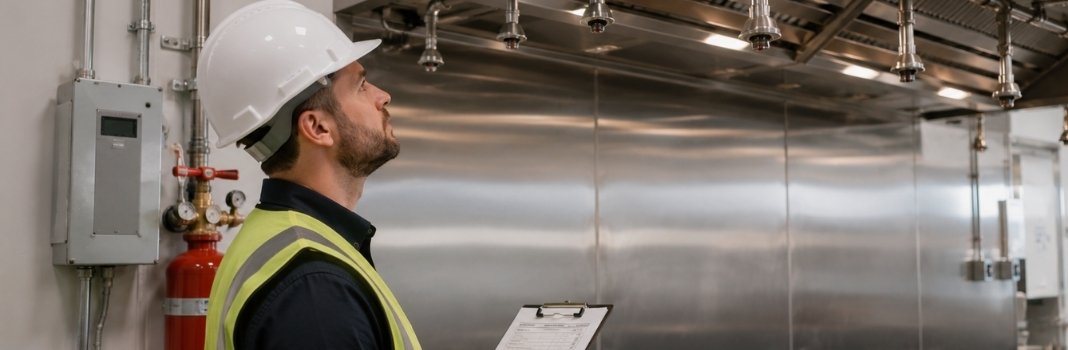
Complete Wet Chemical System Maintenance Checklist
What if a fire were to break out in your kitchen and the system that was put in place to prevent it from spreading was not effective? This is not something that many businesses think about on a daily basis, but it is an important factor to consider in the event that a fire does break out.
A wet chemical system is designed to help combat fires that involve cooking oils and grease, which is a common occurrence in many kitchens. However, having a system does not mean that it will be effective if it has not been properly maintained and checked. Knowing what to check and keeping the system in good condition is what actually makes the difference.
Why Wet Chemical System Maintenance is Critical for Businesses
- Fire safety isn’t simply about installing a system. It’s also about ensuring that the system works properly each and every time. In a kitchen setting, grease accumulation, heat, and general kitchen activities may slowly impact the performance of the wet chemical system.
- A poorly maintained wet chemical system may lead to a fast spread of fire, posing a danger to people and property. In addition to safety concerns, there are also legal requirements that businesses must comply with. Servicing the system ensures compliance with legal requirements and prevents potential problems.
- Finally, there are also concerns around business downtime. In case of a fire or system breakdown, a business may be forced to shut down, resulting in potential losses. Routine servicing ensures that downtime risks are reduced.
What is a Wet Chemical Fire Suppression System?
- A wet chemicalfire suppression system is designed to fight Class F fires, which involve cooking oils and fats. This type of system is usually found in kitchens and restaurants.
- This system releases a chemical that cools the fire and covers it with a layer so that it does not ignite again. This system is effective and fast-acting, and that is why it is important in kitchens and restaurants.
- It is important to note that a good system does not mean it will work if it is not serviced and inspected.
Benefits of Proper Maintenance of a Wet Chemical System
Reliable Fire Protection
If the system is maintained properly, it does what it’s supposed to do—springs into action immediately to control the fire before it gets out of hand. This can make a huge difference in controlling the damage.
Compliance with Safety Regulations
Regular checks are not only good for the system, but in many cases, it’s also the law. Proper maintenance can help avoid trouble with the authorities.
Reduced Repair Costs
Problems caught early are much cheaper to repair than those that have become major issues.
Protection for Staff and Customers
At the end of the day, it’s all about people. Properly maintained wet chemical systems mean everyone in the area can be kept safe in case of a problem.
Complete Wet Chemical System Maintenance Checklist
The complete wet chemical system maintenance checklist is mentioned below:
Daily Checks
- Ensure no signs of damage on nozzles and pipes
- Check control panel indicators
- Ensure access to system components is clear
- Ensure manual pull stations are easily accessible
Weekly Inspections
- Check nozzle caps for signs of grease accumulation
- Check pressure gauges (if present)
- Ensure signage is clear and undamaged
- Ensure system has not been tampered with
Monthly System Maintenance
- Check cylinders for signs of leaks or corrosion
- Check condition of detection lines
- Test alarm and warning systems
- Review system logs
Quarterly System Servicing
- Arrange professional inspection
- Check agent levels and pressure
- Test system activation if necessary
- Clean and inspect all nozzles
Annual System Requirements
- Ensure a full inspection by a qualified technician
- Replace worn parts
- Ensure full operational testing
- Ensure full compliance with fire safety regulations
Frequently Asked Questions
- What is the lifespan of a wet chemical system?
A wet chemical system has a lifespan of 10 to 15 years, but parts may need replacement within a shorter time span.
- Can a wet chemical system be used to extinguish all types of fires?
No, a wet chemical system can only be used to extinguish cooking oil and fat fires, which are classified as Class F fires.
- Is wet chemical system maintenance compulsory?
Yes, wet chemical system maintenance is compulsory to ensure safety regulations are adhered to.
- How often should a wet chemical system be serviced?
A wet chemical system should be serviced daily, weekly, quarterly, and yearly.
Final Thoughts on Choosing the Most Reliable Wet Chemical Systems
A wet chemical system is one of the most important safety tools in your commercial kitchen, but only if it is well maintained. For your business to be protected at all times, your wet chemical system should be well maintained.
At Integrated Fire, we are here to provide you with the best maintenance and service for your wet chemical system and other fire safety needs.